Flocks of Light
Teamwork with Junran Yang & Lucas Frozza Secco
Read sci-fi short writing here.
The two images represent an original science fiction scenario where upon facing multiple existential crises such as global warming and energy shortage, human beings in the future launched the Dyson Swarm Project to harvest energy from the sun. On each Dyson Swarm mothership, millions of cubic-foot-sized satellite solar batteries are attached. These batteries are named Birds for two reasons: the seasonal sailing schedule of the Dyson Swarms in space is not unlike the seasonal migration of birds, and that the behavior of each bird follows simple rules that collectively manifest complex flocking behaviors. Stations built on Earth would receive charged Birds from the space and launch them back towards the mothership to be recharged every three months. The arriving Birds were shiny, fully loaded, couriers of warmth and light, and those departing were dim and faded. As a result, the lives of humans become dependent upon these simple robots, and the coming and going of flocks of light brought by Birds becomes the new indicator of the four seasons: Spring, Summer, Fall, and Winter, while their radiance has become a cosmic memorial for what life used to be on Earth.


Garden of Azure
On the night of the explosion, an eerie blue light, later known as the Cherenkov Radiation, was glowing like a magical but cursed cloud in the dark. For those citizens who live on and around the Chernobyl campus, this unforgettable glow has put a stamp of death on their lives. For those who survived, the glow has become part of their memory. For those who have only heard the tragic story, the glow has become a symbolic presentation of spookiness and horror.
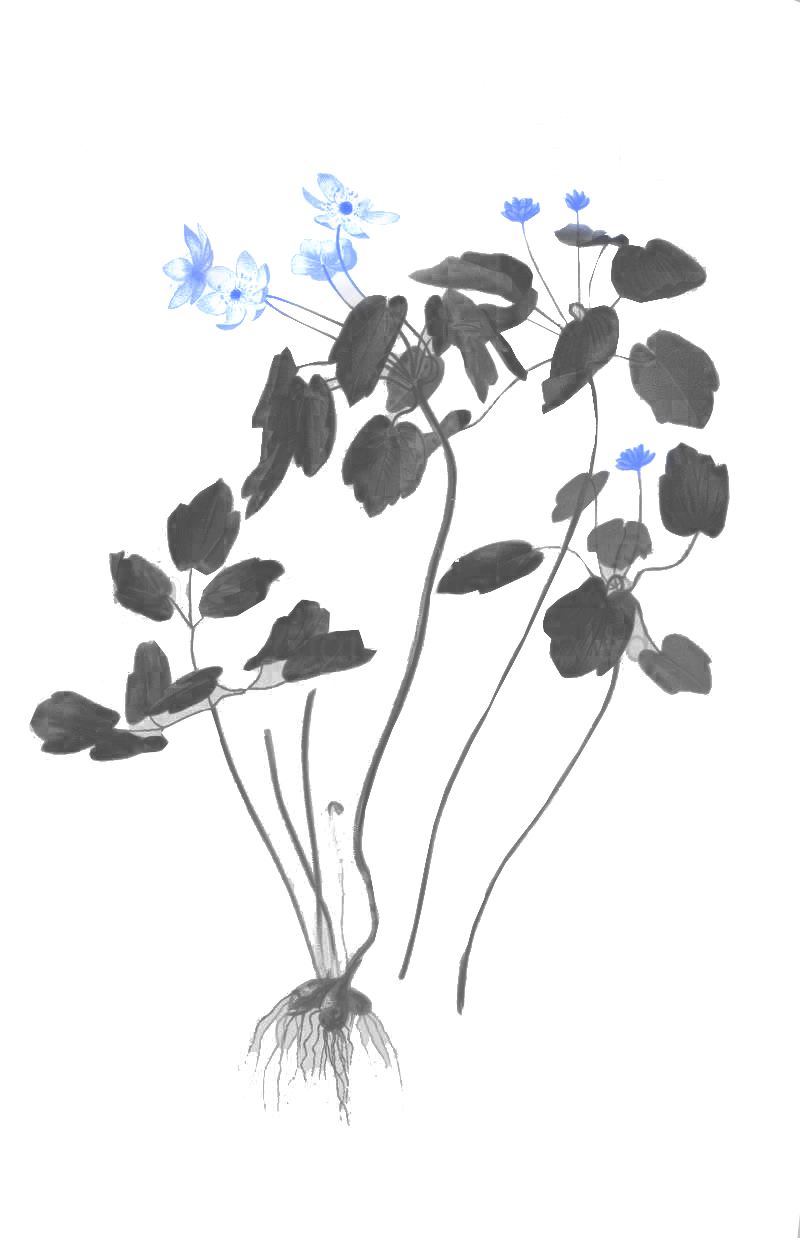
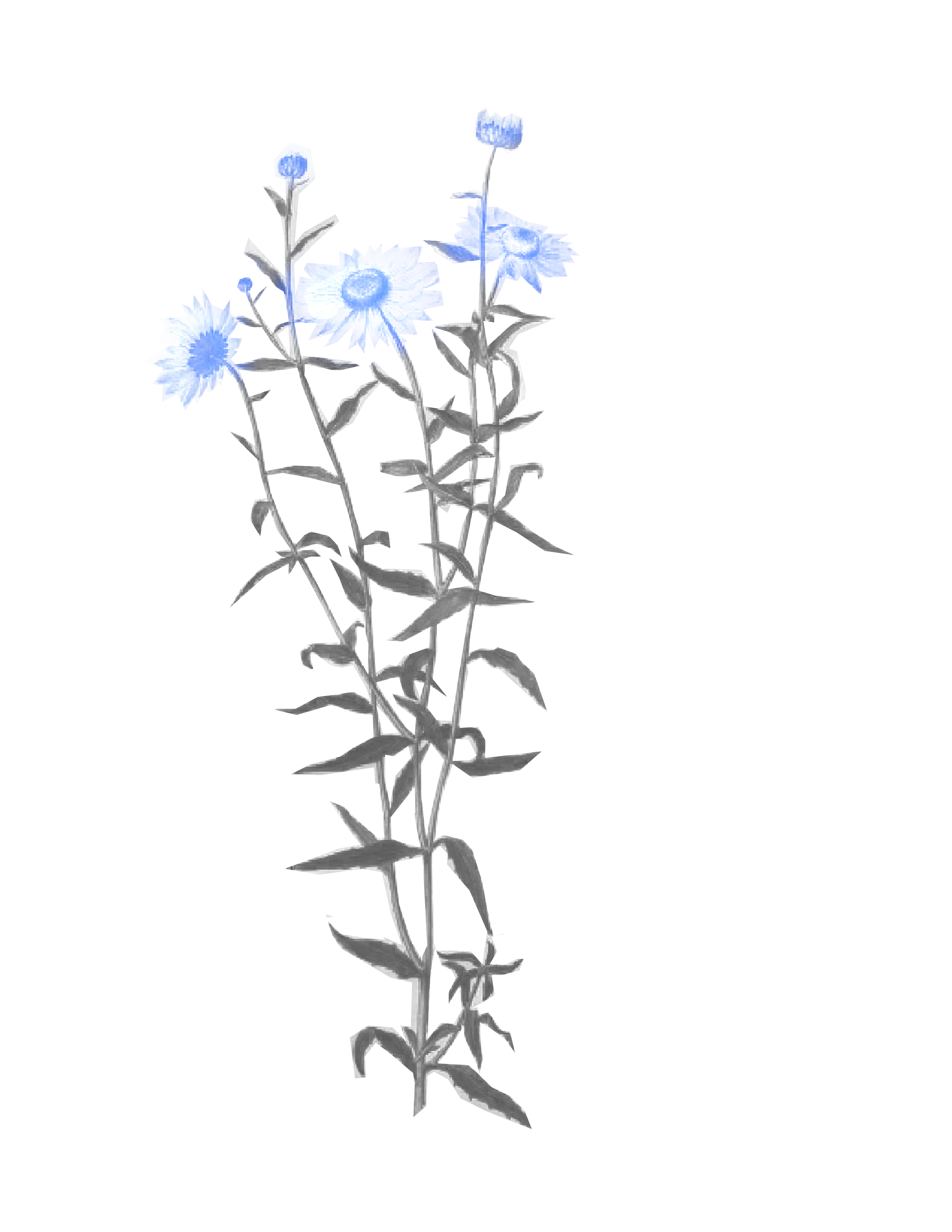
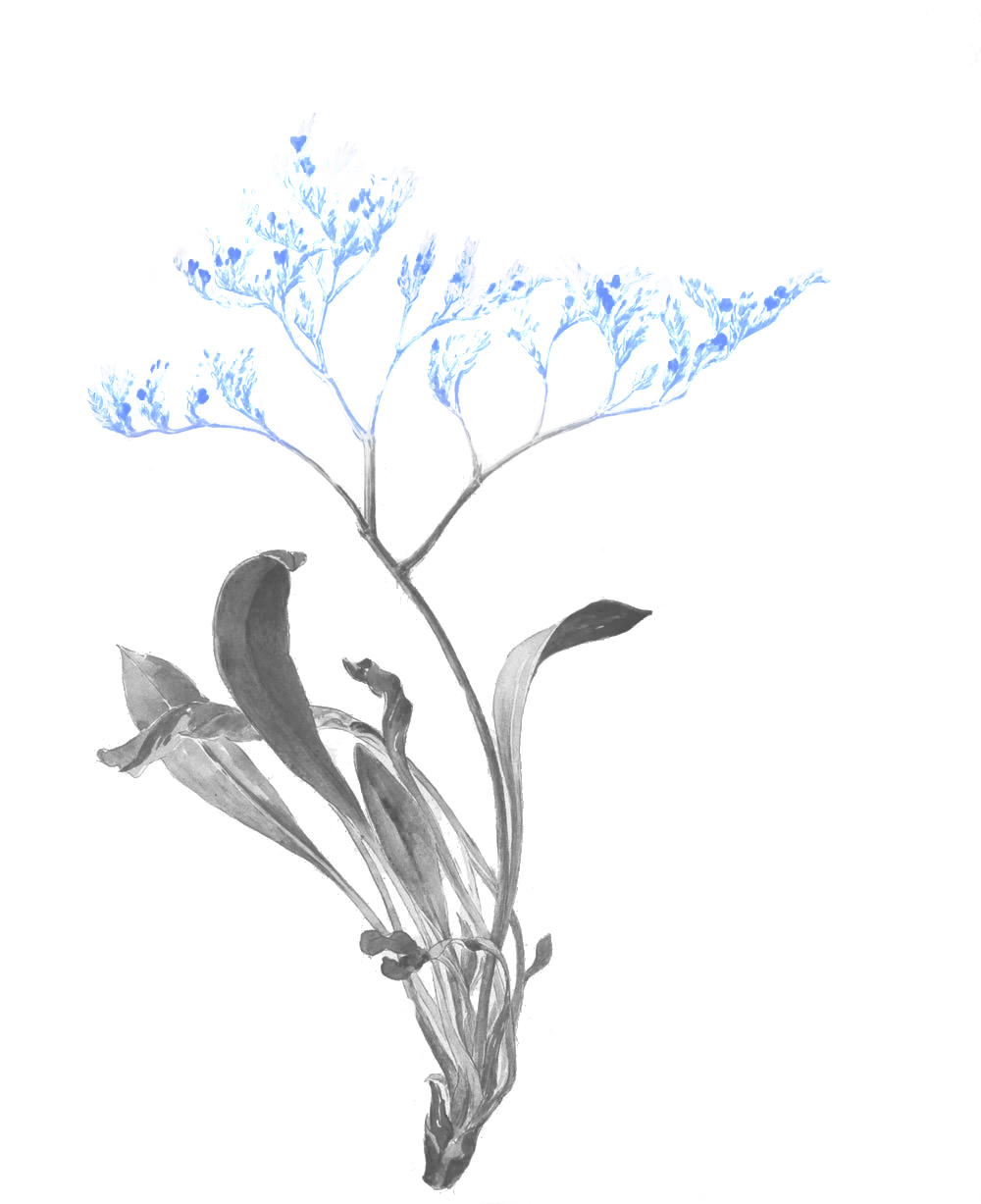
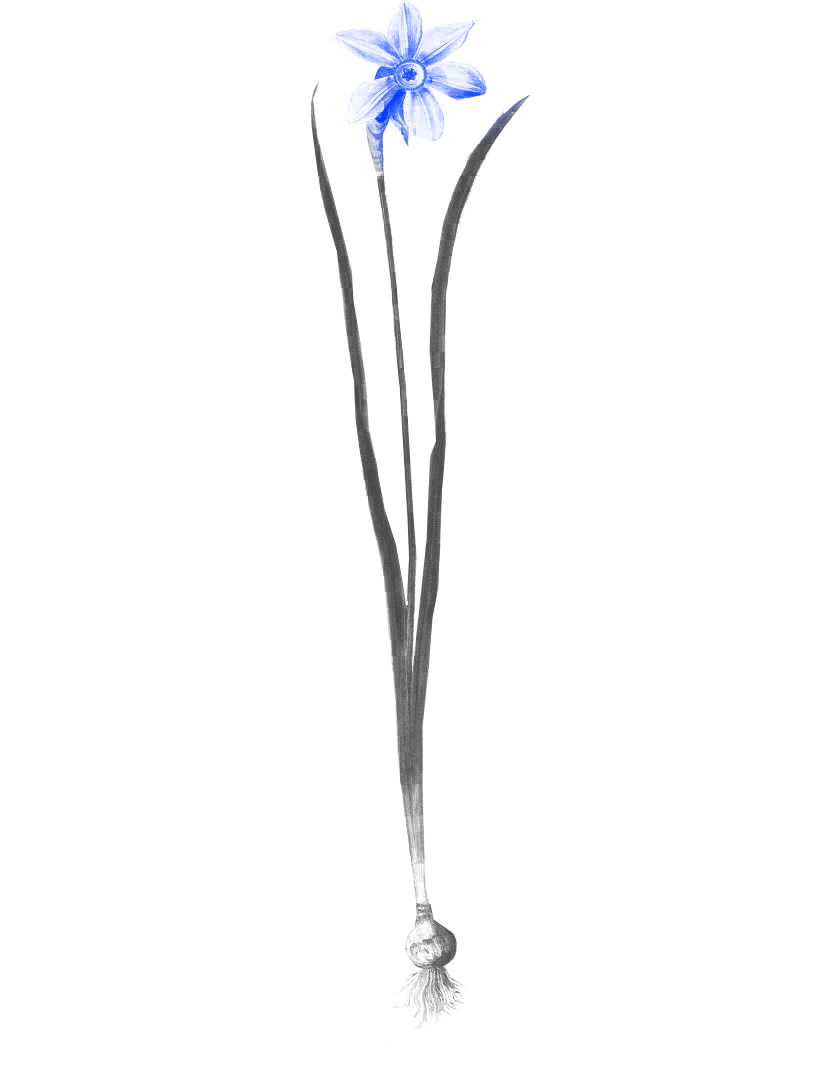
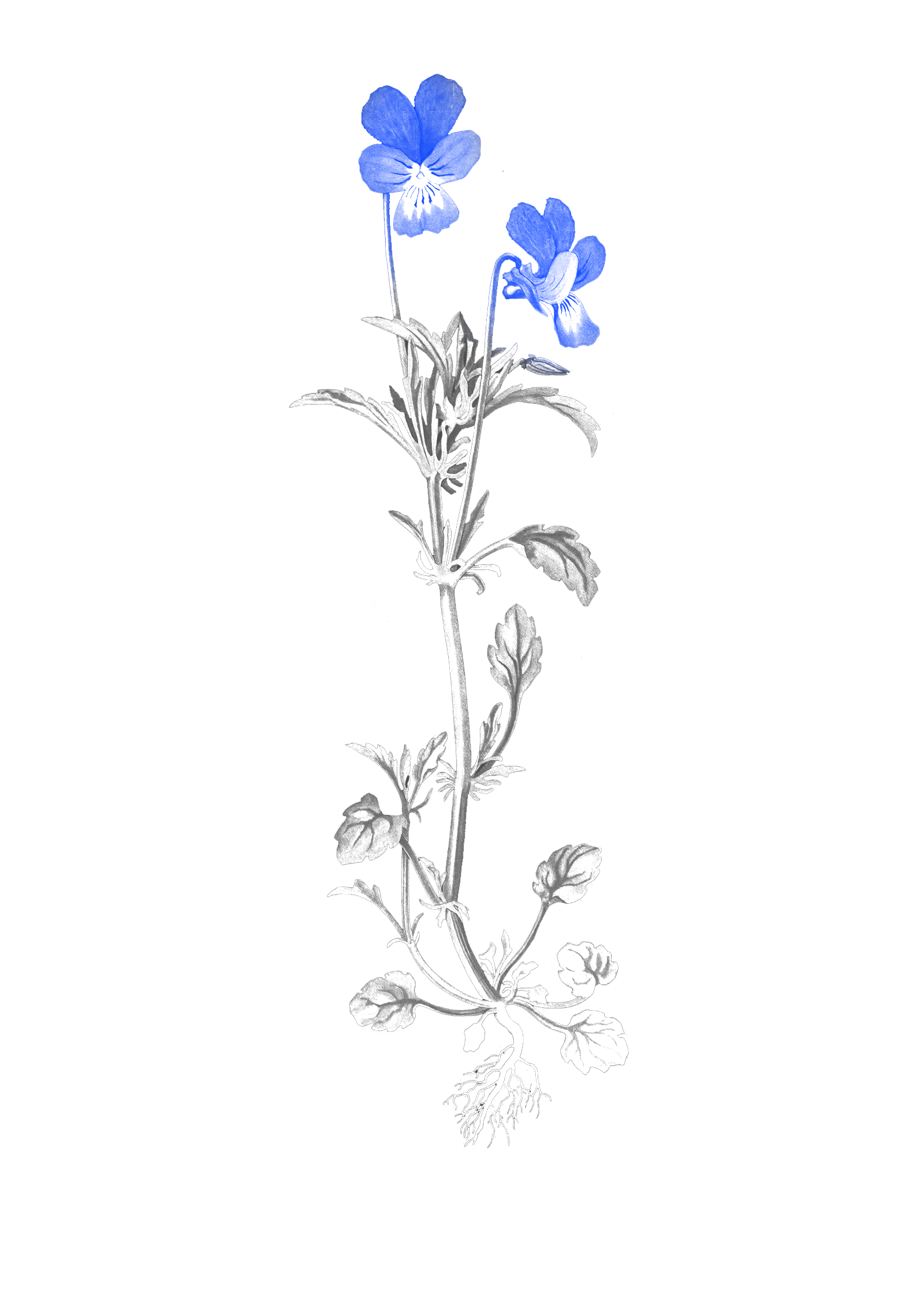
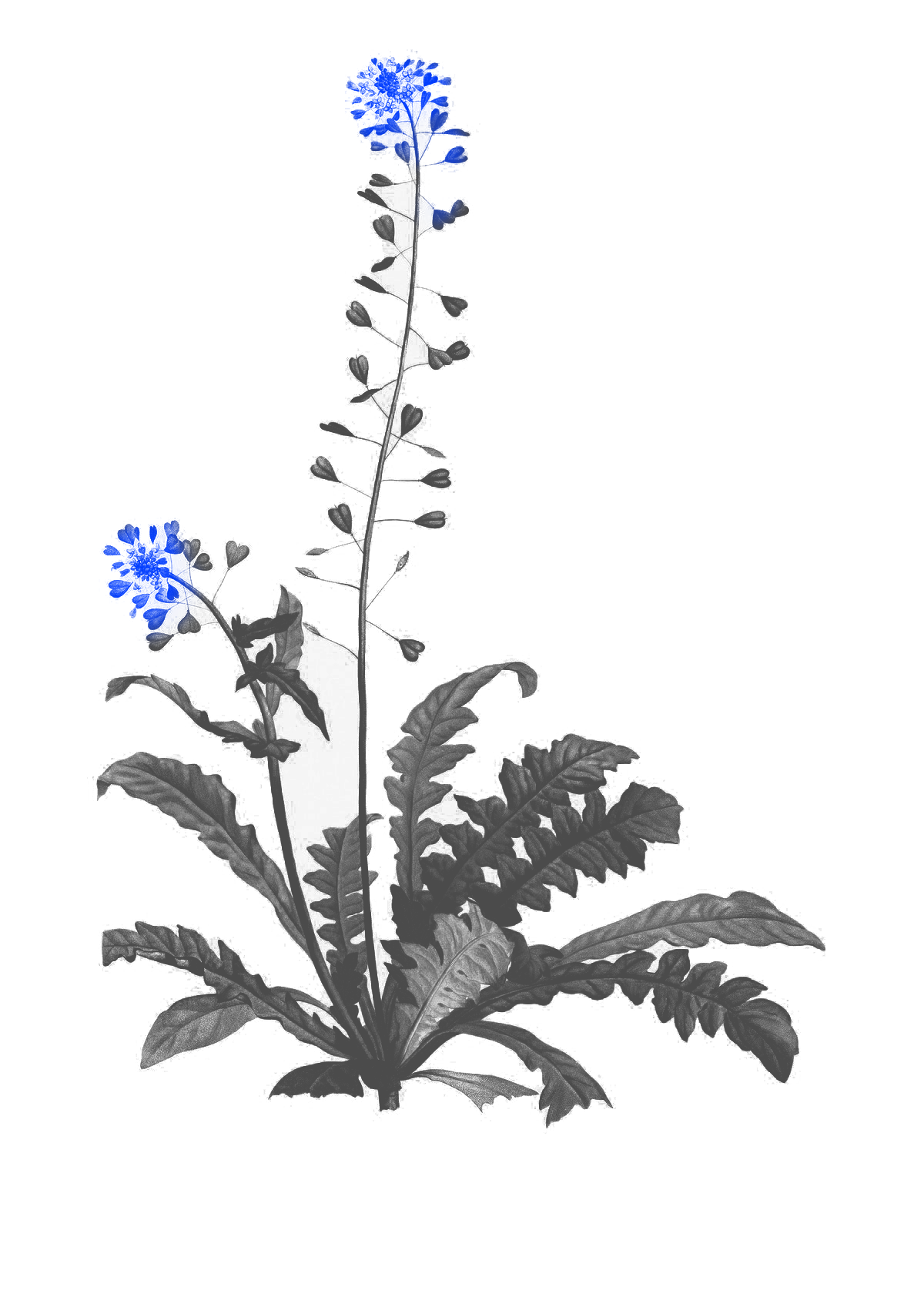
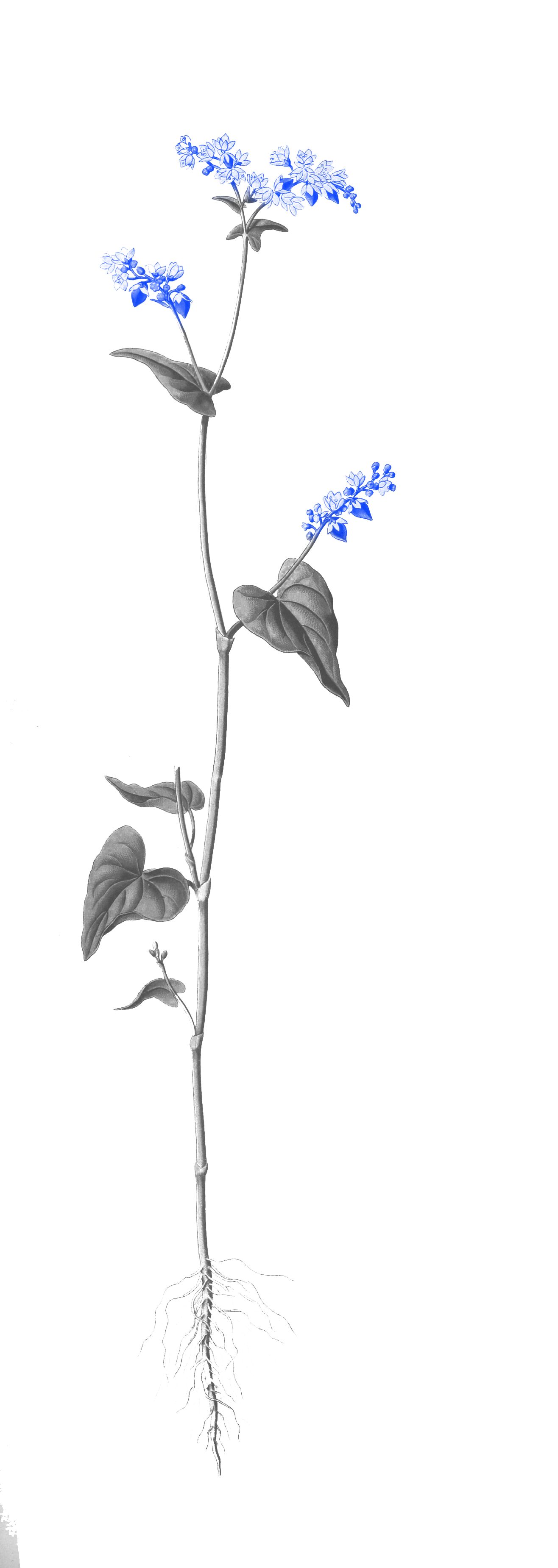
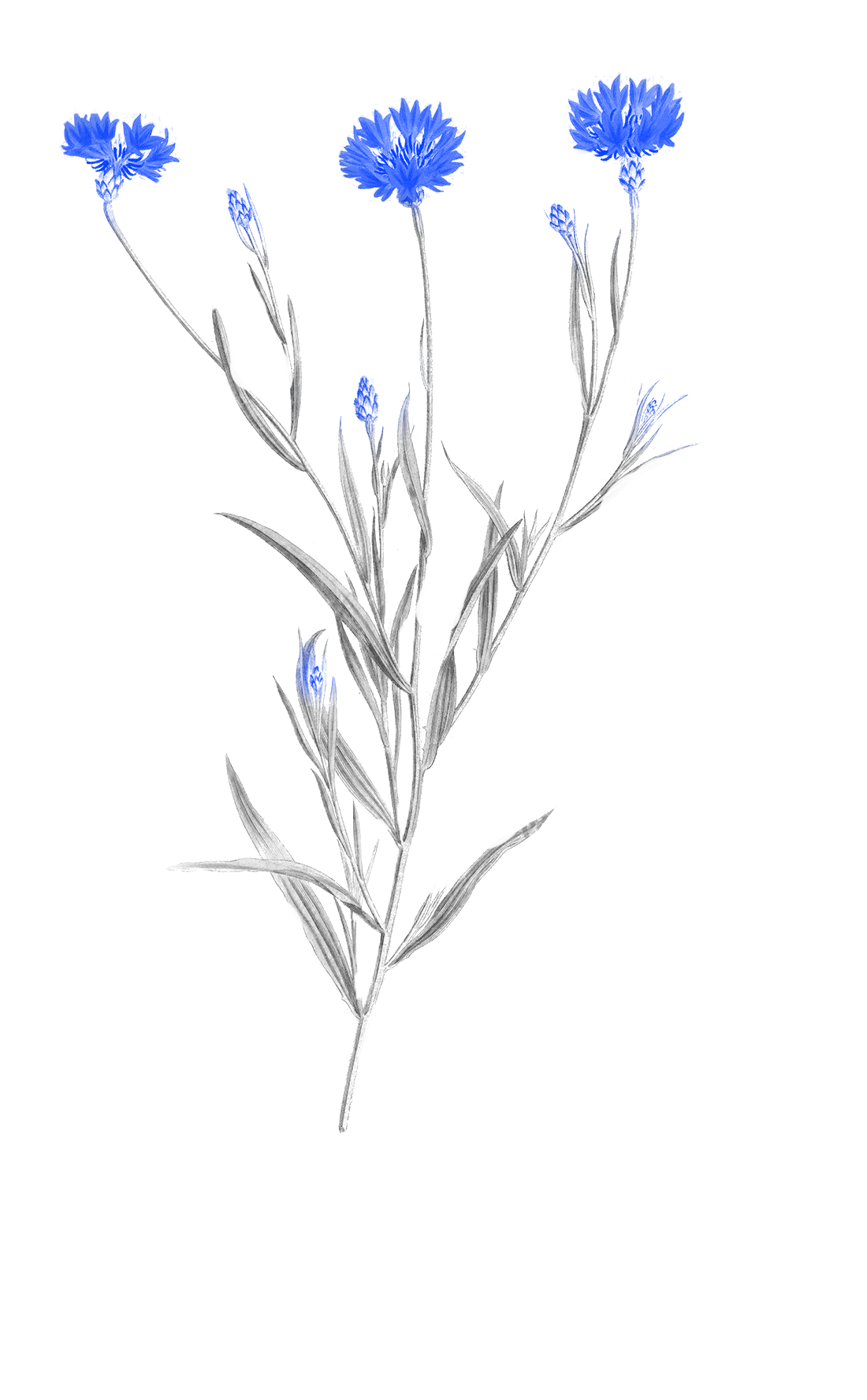
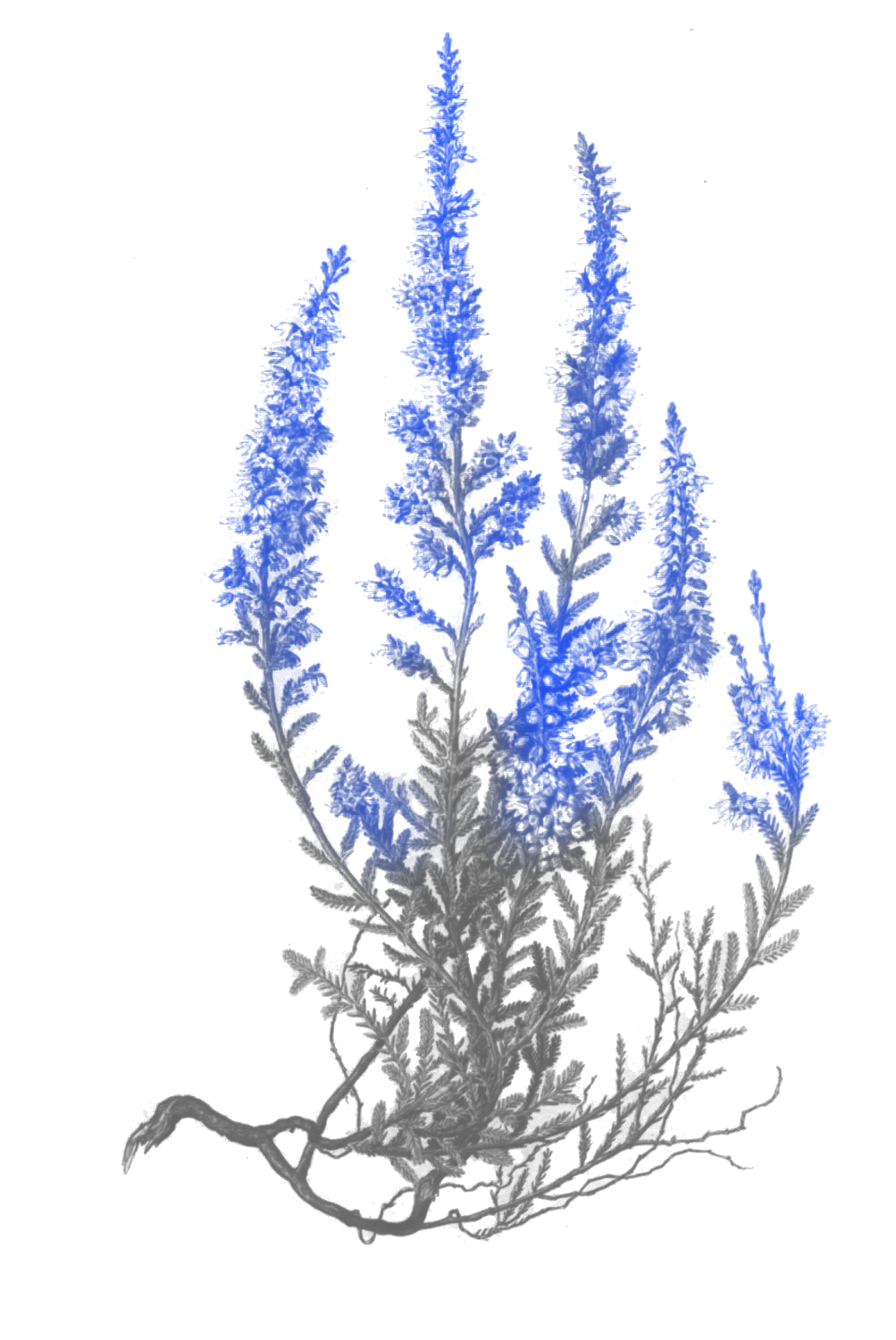
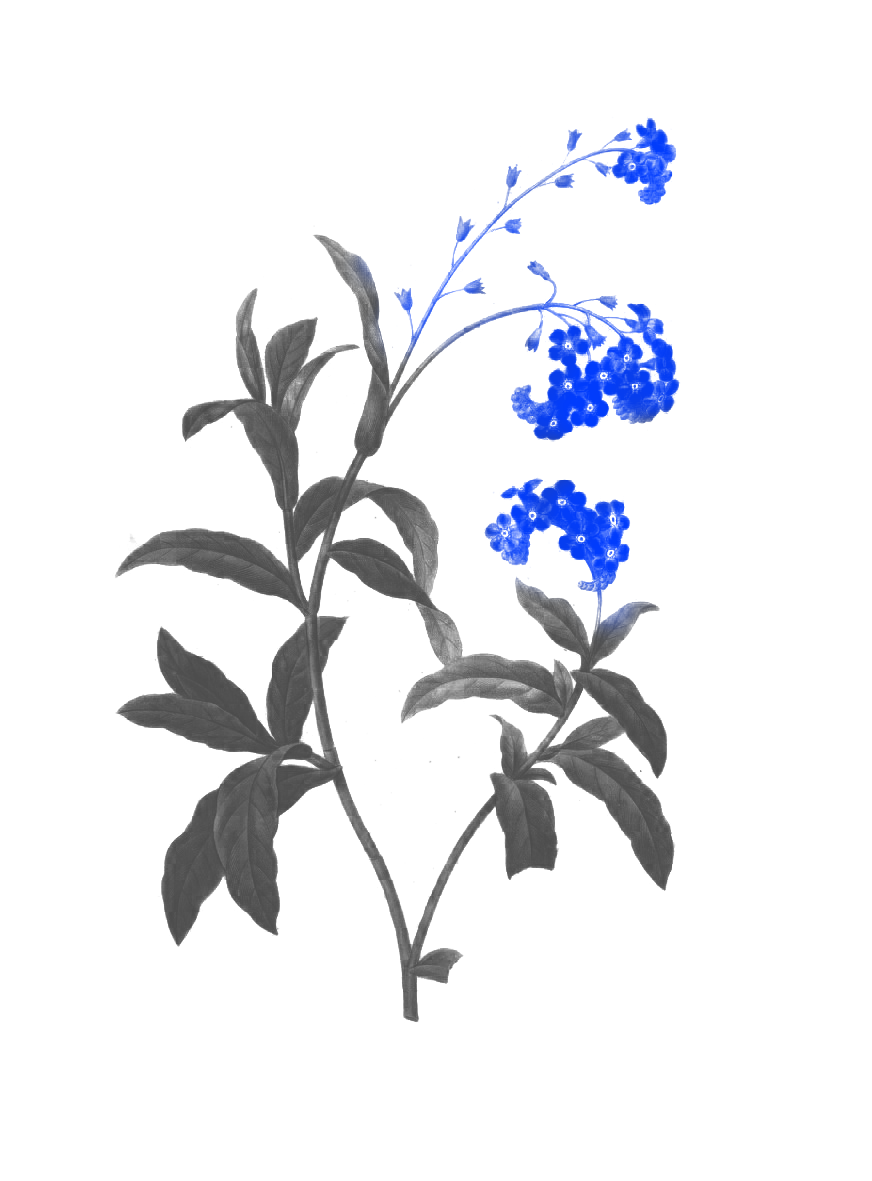
In the project of GARDEN OF AZURE, native wildflowers of different shades of blue are planted in an attempt to heal from the traumatization associated with the color blue. From the present abundance of wildlife and vegetation on the campus, nature has demonstrated its power of restoring and healing. The proposed meadow blooms from early Spring to late Autumn. The hope is to reinforce the rebirth of Chernobyl with those sparkling blue flowers and to cultivate a new meaning of the color blue.
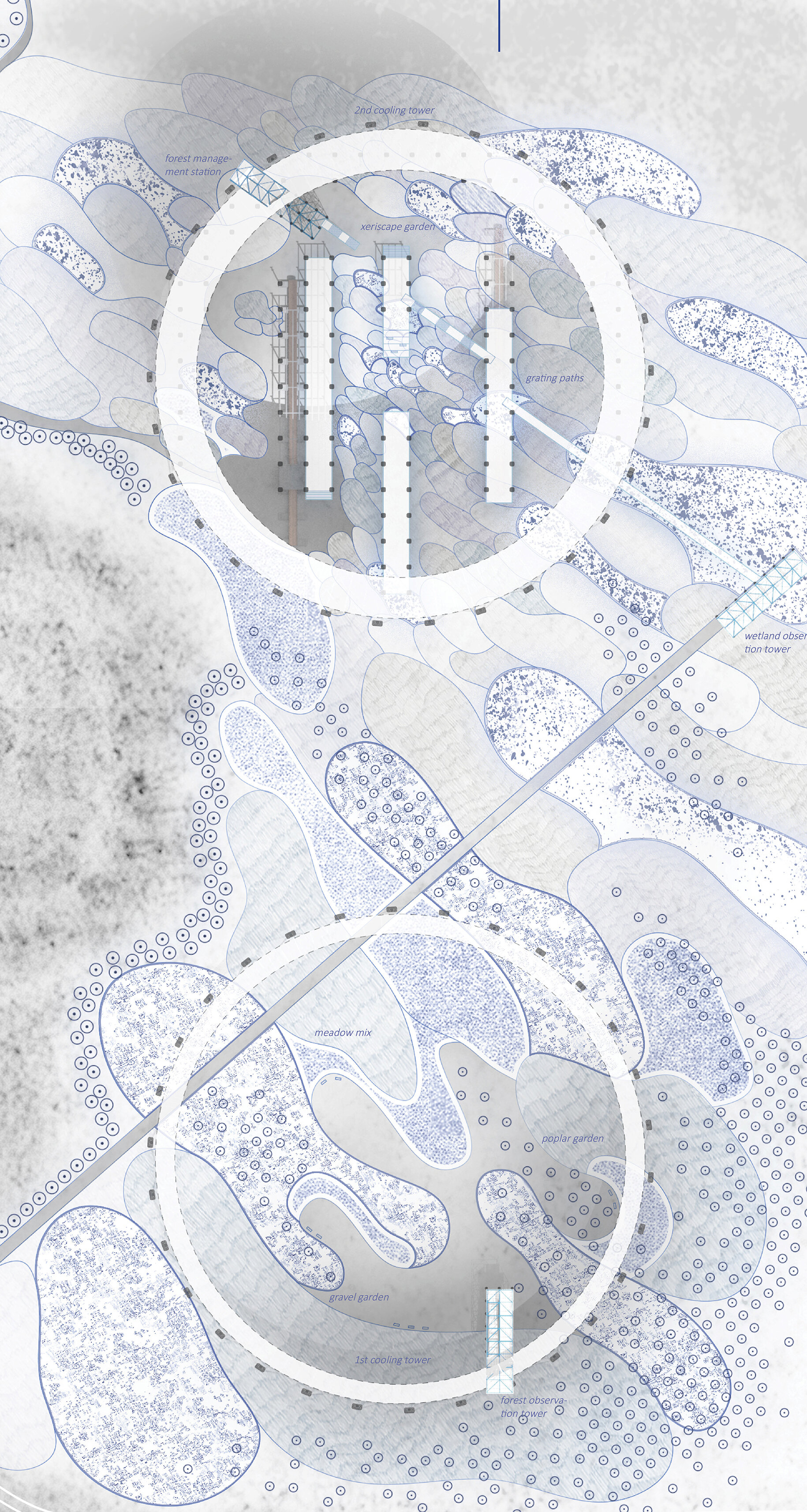
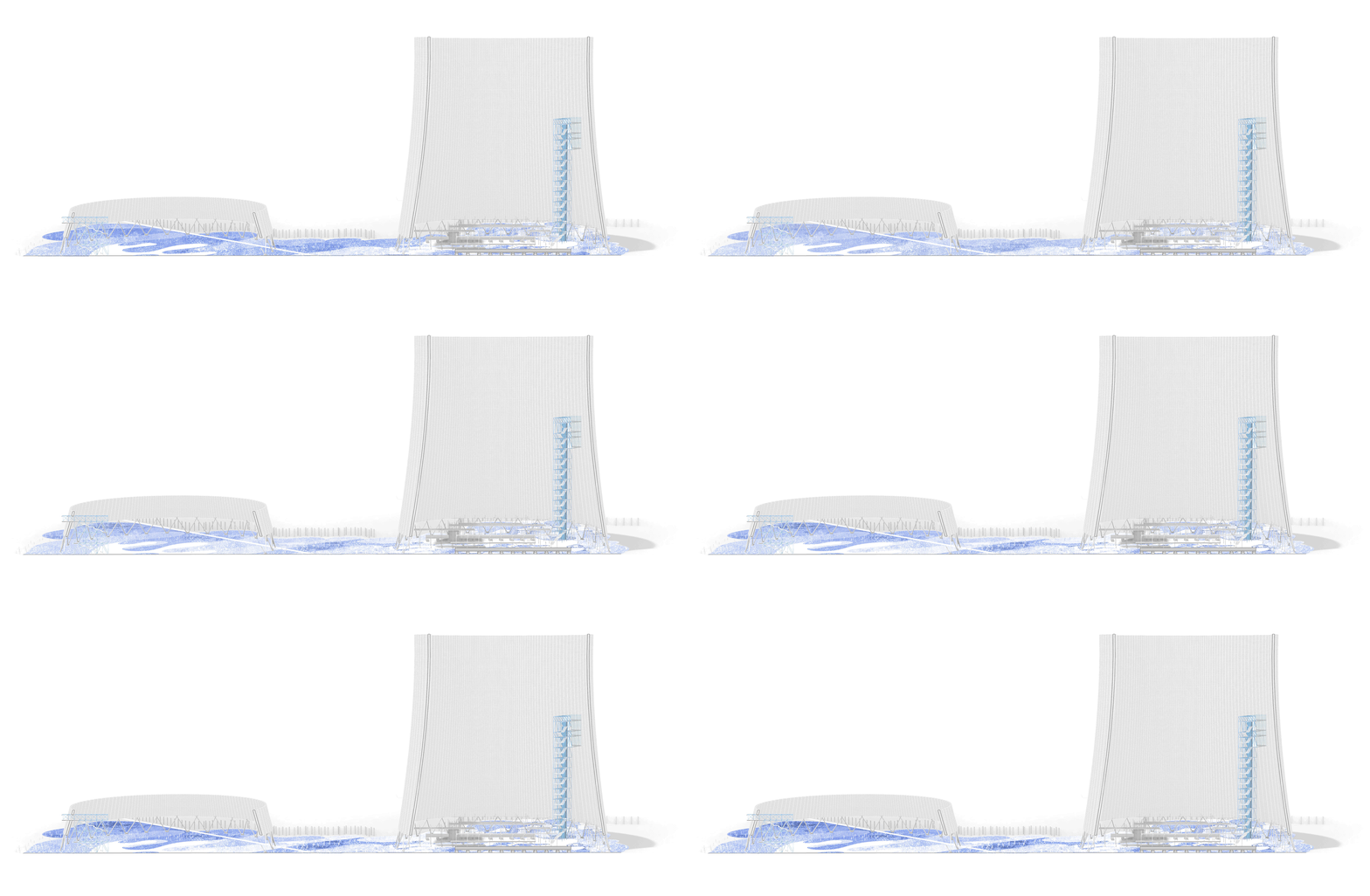
Three structures in the form of scaffolding towers are placed throughout the site. The locations are curated so people can see the major elements of the campus: 1. The radiation plant which is now covered with a mega structure; 2. The wetland system that presents both ecological and manmade power; 3. The vast forest which is the source of the study of “red forest”, a phenomenon in forest from the radiation effect; 4. And finally, the massive Duga radar that stands in the far. Inspired by the Duga radar, the project employs the scaffolding structures to give a sense of ongoing process. As the meadow will grow and evolve, so will the reconstruction of the campus. The scaffolding towers here, in the unfinished form, invite future possibilities and imaginations to sprout on site.
The three layers of the project, the meadow, the circulation, and the scaffolding towers not only serve the tourist visitors, but also the horticultural science experts. The site can also function as a test field and observation station for the campus and its surrounding forests. The study of the reviving vegetation on the campus becomes a critical perspective in understanding this particular tragedy, but also our overall destiny on this planet.
The Hiking Theory
Teamwork with: Marianna Williams
The Hiking Theory re-imagines a collective view of global ecology by transforming the museum into a real-time, color based weather system. Weather data is taken from specific locations where natural habitats are in danger of both climate change and urban development. Our project contains three elements which create metaphors for our relationship to climate: live weather data is visualized as color on glass surfaces as a background influence on other elements in the installation, a subtle system of motion activated soundscapes are installed along a virtual hike outside of the museum, and a disco ball inside the museum provides a concert of everything that is happening outside in light and color.
We chose these metaphors to highlight how we perceive our relationship to interior and exterior space, and to our personal lives as they relate to global ecological issues. Despite our best intentions, issues of climate can sometimes be overshadowed by the stressors of modern life. In the playful relationship between the disco ball (inside) and user generated soundscapes (outside) we hope to show that our relationship to ecological systems is direct and not isolated to a news story. When the user generated sounds inside the museum space are played through the disco ball we create the potential for visitors to recognize their direct connection to actions in the outside world.


“HOW WILL WE BATHE TOGETHER?”
Teamwork with: Sofia Nikolaidou
Taking inspiration from the title of 2020 Venice Biennale, the proposal seeks to create an imaginative exhibition space where everyday life, art, and performance are merged. The design envisions a multifunctional space, where contemporary exhibitions and public baths co-exist in the historic structure of Piscina Mirabilis. The two programs bridge the past and present, linking the structure back to its water story with new meaning. The corporeal experience becomes essential to the site as the play of seeing and being seen is integrated into the circulation. A visual connection is curated, while a physical separation is maintained.
The proposal situates Piscina Mirabile within its local context, by linking the museum to the city’s waterfront through a publicly accessible outdoor space and sculpture garden. The museum terrace is transformed into a public garden and amphitheater that offer views to the bay as well as gathering and performance opportunities. By creating a plaza at the entrance of the building, the design releases the tight urban fabric into a generous threshold to the museum. Upon entering the museum, visitors may choose to take the Exhibition or the Bath route. The Exhibition sequence begins at the spiral staircase which brings visitors to the bottom level. On the way down, they can observe the original entrance steps, now preserved as artifact. At the bottom level, the visitors traverse the central water garden and galleries, and are led to the corten walkways. These multi-level paths allow visitors to experience the vertical volume of the historic structure while exploring artworks from different vantage points. The route terminates at the museum bookstore, connecting to the terrace garden, restaurant and reception areas.
The Bath route brings bathers along the northern side of the building, through a transitional changing room area connecting to a private balcony overlooking the exhibition space. Using the original southern steps, bathers arrive at a courtyard surrounded by three enclosed bathing rooms. As the ambient light from the semi-transparent bathing rooms casts into the adjacent spaces, the movement of ambiguous bathing figures becomes a part of the exhibition viewing experience.
“How will we bathe together?” builds on the notion of experiencing art in a fully embodied and sensorial way. The thoughtful placement of the art collection both indoors and outdoors, enhances the complexity and richness of the museum experience and choreographs the visitors movement through the spaces. The proposal deepens the experience of art by bringing attention to the human body and its presence within the surrounding landscape.


